
How to Choose the Right Carrier Oil for Your Cosmetic or Aromatherapy Product
Learn how to choose the right carrier oil for cosmetic or aromatherapy products based on skin type, absorption, shelf life, and supplier quality verification.

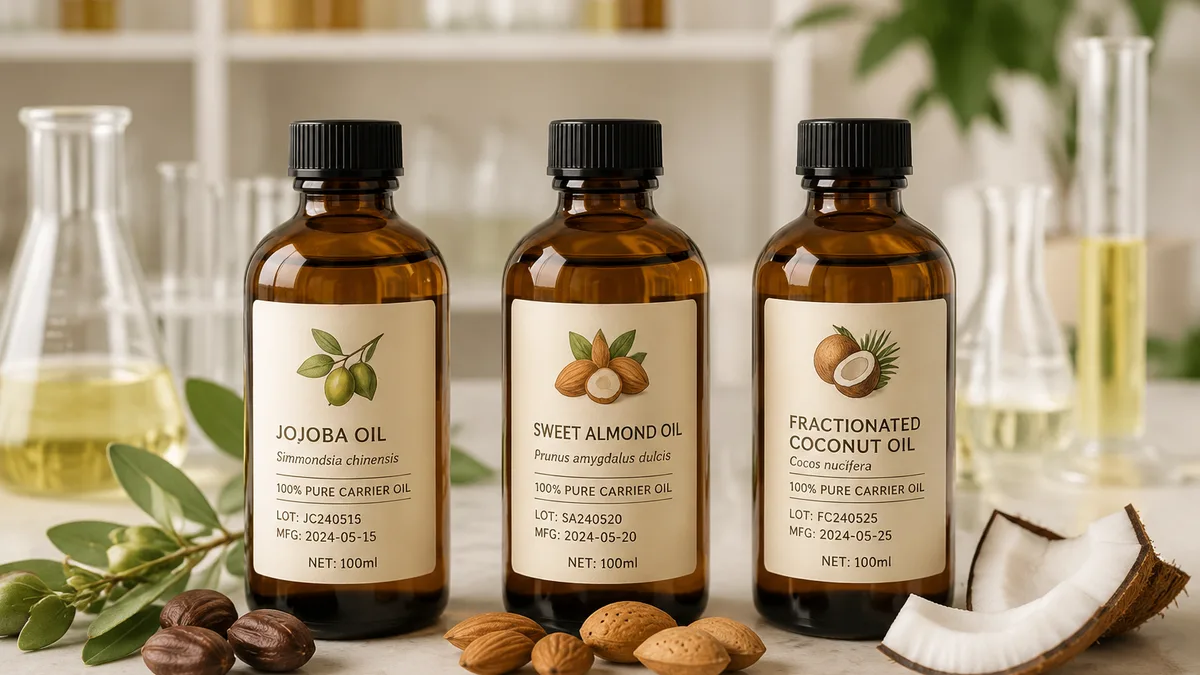
Selecting the right carrier oil for your cosmetic or aromatherapy product starts with defining the product's purpose: jojoba oil works best for facial formulations due to its similarity to human sebum, sweet almond oil is ideal for massage blends because of its light texture and glide, and fractionated coconut oil offers the longest shelf life for blends requiring extended stability. Always source carrier oils from a supplier that provides purity testing, such as GC-MS analysis, and can supply batch-specific documentation. This article provides a decision framework covering skin type, absorption rate, comedogenic rating, and shelf life, then details how to verify supplier quality and avoid common procurement mistakes.
Key Decision Factors for Carrier Oil Selection
Skin Type and Comedogenic Rating
A carrier oil's compatibility with different skin types determines its suitability for leave-on products. The comedogenic rating, measured on a scale of 0 to 5, indicates how likely an oil is to clog pores. A rating of 0 means non-comedogenic, while 5 is highly comedogenic. For oily or acne-prone skin, choose oils with a rating of 0 or 1. Jojoba oil, with a comedogenic rating of 0, is a safe choice for facial serums and moisturizers. Dry skin benefits from richer oils like avocado oil, which has a rating of 2-3. Sensitive skin requires oils that are hypoallergenic and minimally processed, such as fractionated coconut oil. Always verify the comedogenic rating of a specific batch, as extraction and refining methods can affect pore-clogging potential.
Absorption Rate and Feel
The absorption rate of a carrier oil affects the sensory experience of your product. Fast-absorbing oils, such as jojoba and fractionated coconut, leave a non-greasy finish, making them ideal for facial products and dry oils. Medium-absorption oils like sweet almond and grapeseed work well in massage blends because they provide enough slip without heavy residue. Slow-absorbing oils, including olive and castor, are better suited for treatment products or pre-shampoo treatments where some sheen is acceptable. For a product intended for leave-on application, prioritize fast to medium absorption to improve consumer satisfaction.
Shelf Life and Oxidative Stability
A carrier oil's shelf life determines how long your finished product remains stable. Oils high in polyunsaturated fatty acids, such as evening primrose oil or hemp seed oil, oxidize quickly and have a shelf life of 6–12 months, requiring refrigeration and antioxidant additives. Monounsaturated oils like sweet almond and jojoba last 12–24 months under proper storage. Saturated oils such as fractionated coconut oil have a shelf life of 2–5 years and are highly resistant to rancidity, making them the best choice for products meant for long-term storage or retail distribution. Always request a certificate of analysis (COA) that includes peroxide value and acid value from your supplier to confirm the oil's freshness at the time of receipt.
Common Carrier Oils and Their Best Uses
| Carrier Oil | Best For | Skin Type | Comedogenic Rating | Shelf Life |
|---|---|---|---|---|
| Jojoba | Facial serums, moisturizers, anti-aging | All, especially oily/acne-prone | 0 | 12–24 months |
| Sweet Almond | Massage oils, body lotions, soap making | Normal, dry | 2 | 12 months |
| Fractionated Coconut | Long-shelf-life blends, hair oils, roll-ons | All, especially sensitive | 0 | 2–5 years |
| Grapeseed | Light facial oils, massage blends, body oils | Oily, combination | 1 | 6–12 months |
| Apricot Kernel | Facial oils, serums, lip balms | Normal, sensitive | 1 | 12 months |
| Avocado | Rich creams, treatment balms, skin repair | Dry, mature | 2–3 | 12 months |
| Evening Primrose | Night serums, hormonal skin support | Dry, aging | 2 | 6–12 months (refrigerate) |
| Castor | Hair oils, lip products, eye serums | Normal | 1 | 12–24 months |
Each oil brings a unique fatty acid profile that affects its performance. Jojoba is technically a wax ester, which gives it exceptional stability and a texture very close to human sebum. Sweet almond contains high levels of oleic acid, providing good spreadability and skin softening. Fractionated coconut oil is composed of medium-chain triglycerides (MCTs) that resist oxidation and stay liquid at room temperature.
How to Verify Carrier Oil Quality Before Purchasing
Request GC-MS Reports
Gas chromatography–mass spectrometry (GC-MS) is the industry-standard method for verifying the identity, purity, and composition of a carrier oil. A GC-MS report shows the full fatty acid profile, detects adulterants, and confirms the oil's botanical origin. Every batch you purchase should be accompanied by a batch-specific GC-MS report, not a generic document. The report should list all major fatty acids (e.g., oleic, linoleic, palmitic) and their percentages, as well as any contaminants or diluents. Reputable suppliers provide these reports routinely, reflecting confidence in their quality control. For example, companies like AAK or Ekologix make GC-MS reports available on request.
Check for Purity and Additives
Many carrier oils sold on the open market are diluted with cheaper oils such as soybean or mineral oil, or may contain synthetic antioxidants or preservatives. Read the ingredient declaration: a pure carrier oil contains only the name of the botanical oil, nothing else. For organic certified oils, look for certification logos from reputable bodies such as USDA Organic, ECOCERT, or EU Organic. Ask the supplier whether the oil is expeller-pressed, cold-pressed, or solvent-extracted, as the extraction method affects nutrient retention and chemical profile. Cold-pressed oils retain more natural vitamins and antioxidants, while solvent-extracted oils are generally only used for high-volume, lower-cost applications.
Ask About Organic Certification and Allergen Declaration
Organic certification ensures the raw material was grown without synthetic pesticides, herbicides, or GMOs, and that the extraction process follows strict standards. Even if you do not need organic oils for your product, sourcing from a supplier who also offers certified organic options signals a higher level of quality control in their supply chain. Additionally, request an allergen declaration to verify the oil is free from common allergens such as peanuts, tree nuts, soy, or gluten, particularly if the product will be labeled for sensitive skin or marketed as hypoallergenic.
Common Mistakes When Selecting Carrier Oils
Mistake 1: Choosing Based on Price Alone
The cheapest carrier oil often lacks purity or comes from an unreliable supply chain. Low-priced oils may be cut with synthetic fillers, harvested from immature crops, or stored improperly, leading to rancidity soon after arrival. A price that seems too good to be true should trigger a request for full batch documentation. Consider total cost of ownership: a slightly more expensive oil that is verified pure and stable will reduce product returns, reformulation costs, and reputational risk.
Mistake 2: Overlooking Shelf Life for Retail Products

Formulating a facial serum or massage oil with an oil that has a shelf life of only 6 months can lead to oxidation and rancidity before the consumer finishes the bottle. Even if you add a natural antioxidant like vitamin E (tocopherol), the oil's base stability matters. For products intended for retail distribution with a 12–24 month shelf life, choose oils like jojoba or fractionated coconut as the primary base. Use short-life oils only in small percentages or in products with a short use period, such as fresh-use masks.
Mistake 3: Not Testing for Allergies in Finished Products
Even though carrier oils are generally safe, individual allergies can occur. For example, sweet almond oil is derived from tree nuts and can trigger reactions in nut-allergic consumers. Always perform a patch test on a small panel during product development. For products marketed to sensitive skin, consider using hypoallergenic oils like fractionated coconut or jojoba, and clearly label potential allergens regardless of the carrier.
Mistake 4: Ignoring Batch-to-Batch Consistency
Natural products vary by crop season, geographic origin, and processing conditions. A carrier oil from one harvest may have a different fatty acid profile, color, or odor than the next. Without batch-specific specification sheets, you risk reformulating your product each time a new batch arrives. Lock in with a supplier that maintains consistent quality through vertical integration: owning the extraction and testing facilities means tighter control over variables. Suppliers with in-house cold-pressing and QC labs reduce the batch variability that plagues products sourced through intermediaries.
Sourcing Carrier Oils from a Reliable Supplier
Why Vertical Integration Matters
A supplier that grows, harvests, or directly sources raw botanicals and then cold-presses or refines the oil in their own facility can provide better traceability than one that simply trades oils. Vertical integration reduces the number of touchpoints where adulteration, mislabeling, or quality degradation can occur. When evaluating suppliers, ask about their ownership of extraction facilities, quality laboratories, and logistics operations. This scale and control allow for consistent batch-to-batch quality and transparent pricing without intermediary markups.
What Documentation to Expect
When sourcing carrier oils for commercial production, the following documents should be standard from any qualified supplier:
• Batch-specific GC-MS analysis
• Certificate of analysis (COA) including peroxide value, acid value, specific gravity, and refractive index
• Organic certification (if applicable)
• Allergen declaration
• Material safety data sheet (MSDS)
• Country of origin and traceability documentation
Request these documents before placing a sample order. A supplier that hesitates to provide them is likely not confident in their product consistency. Reliable suppliers routinely supply these documents, enabling buyers to verify quality against their own specifications.
Custom Blending and Private Label Options
For cosmetic or aromatherapy brands looking to create a signature carrier base, many suppliers offer custom blending and private label services. This allows you to combine two or more carrier oils (e.g., jojoba with a small percentage of evening primrose) to achieve a specific fatty acid ratio or sensory profile. Ensure the supplier has experience in compounding and can provide a specification sheet for the custom blend, along with the same testing and documentation as for single oils. Low minimum order quantities (MOQs) from a vertically integrated supplier make it feasible for emerging brands to access quality custom blends without overcommitting inventory.
Conclusion
The right carrier oil for your cosmetic or aromatherapy product balances skin type compatibility, absorption, stability, and product purpose. Start with the decision factors of comedogenic rating, absorption rate, and shelf life to shortlist oils, then verify quality through GC-MS reports, organic certification, and batch-specific documentation. Sourcing from a vertically integrated supplier with in-house testing and transparent processes reduces batch variability and ensures long-term supply reliability. Request a specification sheet or sample set from multiple vetted suppliers to match your formulation requirements against the documented purity of their carrier oils.
References
Sarochem. Best Carrier Oils for Skincare Formulations | Complete Guide.
Herbal Dynamics Beauty. Understanding the Comedogenic Scale for Oils and Butters.
Contract Laboratory. Essential Oil Testing: Complete Guide to Quality, Purity, Methods, and Regulations.
Lipid Oils. Carrier Oils: A Guide to Uses & Benefits.
Pure Oils India. GC-MS Testing for Essential Oils: Purity, Safety & Benefits.
Curology. Comedogenic scale for oils: What to know | Curology.
Frequently Asked Questions
Practical answers related to this article.
What is a comedogenic rating and why is it important?
The comedogenic rating, measured on a scale of 0 to 5, indicates how likely an oil is to clog pores. A rating of 0 means non-comedogenic, while 5 is highly comedogenic. For oily or acne-prone skin, choose oils with a rating of 0 or 1, such as jojoba oil with a rating of 0, to avoid pore blockage.
Which carrier oil has the longest shelf life?
Fractionated coconut oil has a shelf life of 2–5 years, making it highly resistant to rancidity and ideal for products meant for long-term storage or retail distribution.
How can I verify the quality of a carrier oil before purchasing?
Request batch-specific GC-MS reports to verify identity, purity, and composition, and check for a certificate of analysis (COA) including peroxide value and acid value. Also, look for organic certification logos and an allergen declaration from a reputable supplier.
What are common mistakes to avoid when selecting carrier oils?
Common mistakes include choosing based on price alone, overlooking shelf life for retail products, not testing for allergies in finished products, and ignoring batch-to-batch consistency.
What documentation should I expect from a reliable carrier oil supplier?
Standard documents include a batch-specific GC-MS analysis, a COA with peroxide value and acid value, organic certification (if applicable), allergen declaration, MSDS, and country of origin documentation.
Why is vertical integration important in a carrier oil supplier?
Vertical integration reduces touchpoints where adulteration or quality degradation can occur, allowing for better traceability and consistent batch-to-batch quality, as the supplier owns the extraction facilities and quality labs.